
How to Make an AI Sci-Fi Film
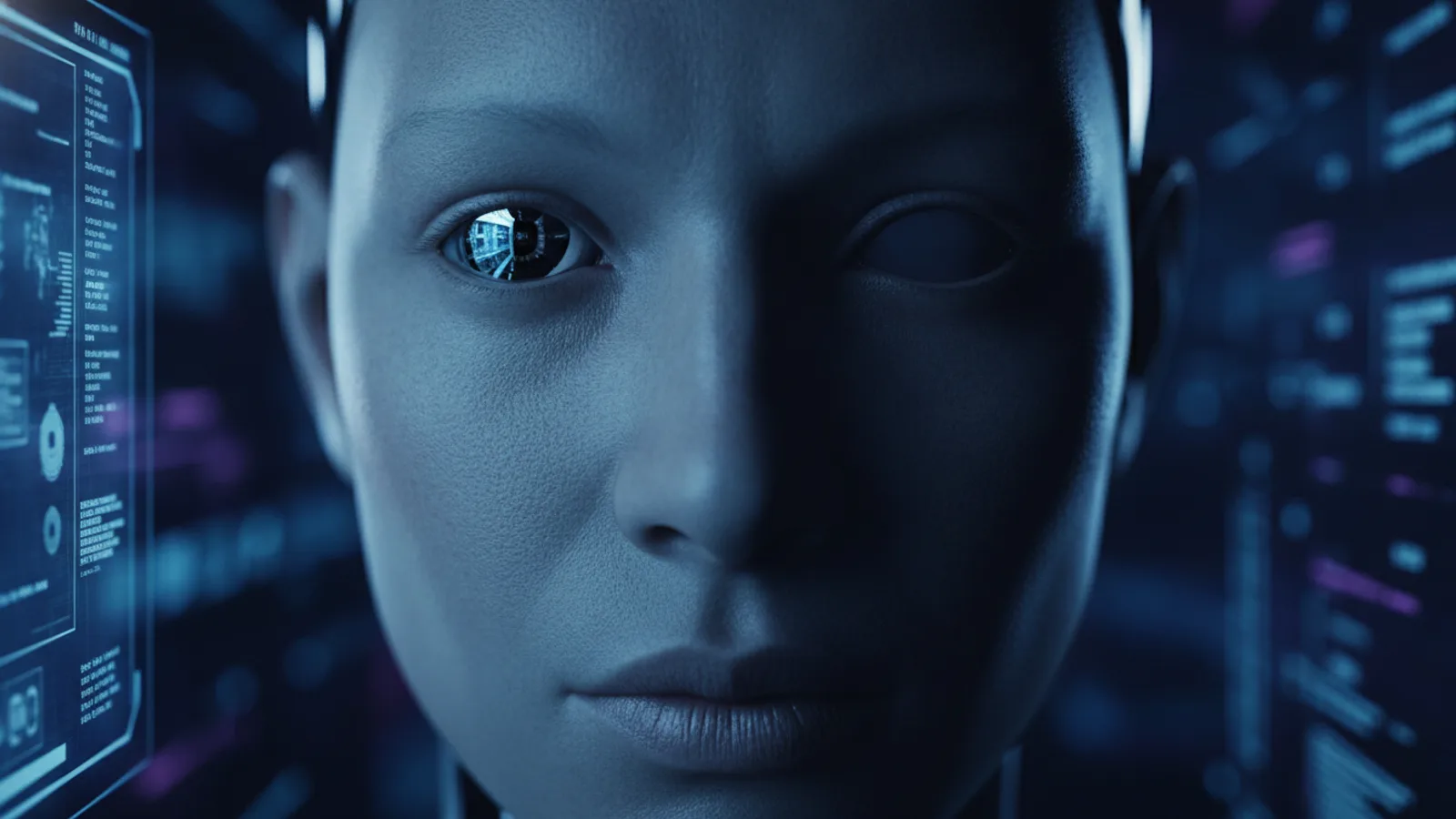
Creating an AI sci-fi film is less about complex software and more about channeling classic genre elements through modern tools. The process merges your vision for futures, alien worlds, or cyberpunk cities with the structured creativity of an AI movie maker. Your goal is a coherent short film where the technology amplifies the story, not the other way around. This guide walks through the concrete steps of building that world, defining its characters, and shaping a narrative that feels authentically science fiction, using platforms like Cinely which provides specialized sci-fi templates to get you started.
Start with the World, Not the Plot
The most memorable science fiction is built on a foundational “what if” that defines its universe. Before you type a single prompt, decide on the core rules of your setting. Is it a hard sci-fi future based on plausible physics? A dystopian cyberpunk sprawl? A post-apocalyptic wasteland? This initial concept dictates everything from visual aesthetics to narrative conflict. Cinely’s sci-fi templates—futuristic, space, cyberpunk—serve as excellent visual jumping-off points. They provide a consistent aesthetic backbone, so you're not building every backdrop from scratch. Use these templates to establish a visual tone, then layer in your specific details: the constant neon rain of a metropolis, the sterile corridors of a generation ship, or the rusted ruins of a fallen colony.
Define Characters with Clear Motivations
In a sea of advanced technology and strange worlds, your characters are the audience's anchor. An AI sci-fi film needs protagonists and antagonists with desires that clash against the rules of the world you've built. A hacker isn’t just a hacker; she’s someone fighting to expose a corrupt AI that controls the city’s memory implants. A soldier isn’t just a soldier; he’s questioning orders from a central command that may be compromised. As noted in Cinely’s own principles, distinct character traits against a vivid world make strong sci-fi scenes. When crafting characters in your AI movie maker, be specific. Give them a clear goal, a personal flaw, and a visual signature—a piece of unique tech, a style of dress, or a physical modification that tells a story about the world they inhabit.
Craft Scenes with Conflict and Technology
With a world and characters set, construct individual scenes around central conflicts. How does the technology of your setting directly create or complicate these conflicts? Perhaps a crucial scene involves a character using a neural interface to bypass security, with the visual stakes showing a digital representation of their mind under attack. Or a tense dialogue where two characters debate the ethics of AI consciousness, framed against the cold backdrop of the AI's core server room. Use your AI tool to generate these key moments. Start with a descriptive prompt that includes the character's goal, the immediate obstacle, and the relevant tech: “A cybernetically enhanced detective examines a holographic crime scene reconstruction in a rain-soaked alley, looking for a glitch in the data that the perpetrator missed.”
Edit for Pace and Narrative Flow
The raw output from an AI movie maker is your footage. Your job as a director is to edit it into a coherent sequence. This is where you shape the story. Look at your generated scenes. Do they have a logical cause-and-effect flow? Does the tension build? Trim any visually impressive but narratively stagnant shots. Use text cards or AI-generated voiceover to bridge gaps in logic or to deliver essential exposition cleanly. Pay attention to rhythm. A fast-cut chase through a futuristic city should feel different from a slow, ominous reveal on a derelict spaceship. Many platforms, including Cinely's studio, offer editing tools to sequence clips, add sound, and fine-tune the final product.
Refine and Share Your Creation
The first draft of your AI sci-fi film is just that—a draft. Watch it with a critical eye. Does the world feel consistent? Do the character motivations remain clear? Share it with a trusted friend and ask where they got confused or bored. Use this feedback for another pass. You might need to regenerate a particular scene with a clearer prompt or insert a new establishing shot to improve geography. Once polished, your film is ready for an audience. Upload it to your channel, share it on social media, or submit it to Cinely’s Watch section to see how others in the community are tackling the genre. You can explore more sci-fi inspiration and see what others have built in the sci-fi explore section.
A Quick Pre-Production Checklist
Before you generate a single clip, run through this short list. It keeps your AI sci-fi film coherent and saves you from regenerating scenes later:
- Core "what if": One sentence describing the rule that makes your world different from ours.
- Visual anchors: Three to five recurring details (a color of neon, a faction logo, a type of vehicle) to repeat across prompts for consistency.
- Protagonist goal and flaw: What they want, and the weakness that complicates getting it.
- Three key scenes: The setup, the turning point, and the resolution—written as full prompts.
- Tone reference: A word or two (bleak, hopeful, paranoid) to keep your edit emotionally consistent.
Working from this list means each prompt you write in your AI movie maker pulls in the same direction instead of producing a pretty but disconnected reel.
Common Mistakes to Avoid
A few recurring errors separate a generic clip from a film that holds attention. First, vague prompts: "a futuristic city" gives you stock-looking results, while "a flooded megacity at dusk, sodium-orange smog, junk-rigged skiffs between skyscrapers" gives you a place. Second, inconsistent characters—if your hero's outfit or cybernetic eye changes shot to shot, viewers lose the thread, so reuse the same descriptive phrases every time. Third, technology without stakes; a gadget only matters when it can fail or be turned against your character. Fourth, over-scoping: a tight three-minute story you actually finish teaches you more than an hour of footage you abandon. Browse the genre's sci-fi explore feed to see how finished shorts pace these beats, then start a new scene in Cinely when you are ready to build.
From Idea to Completed Project
The journey from a spark of an idea to a finished AI science fiction movie is iterative. You’ll loop between world-building, character refinement, scene generation, and editing. The tools handle the heavy lifting of visual generation, freeing you to focus on the core creative decisions: the story’s heart, the conflict’s edge, and the thematic questions that define great sci-fi. Start with a compelling world, populate it with driven characters, and use the technology to visually execute the scenes only you can imagine.
- Do I need filmmaking experience to make an AI sci-fi film?
- No professional experience is required. The AI handles visual generation based on your written prompts. Your primary skills are storytelling and vision: defining a compelling world, creating characters with clear goals, and describing scenes effectively. It’s more akin to directing and screenwriting than operating traditional film equipment.
- How can I make my AI-generated sci-fi film look unique and not generic?
- Specificity is key. Move beyond broad terms like “futuristic city.” Describe specific architectural styles, lighting conditions (e.g., “flickering neon from a decaying holographic ad”), weather, and distinct cultural mash-ups. Give your characters detailed backstories and visual quirks that inform their prompts. The more concrete your descriptions, the more unique the output will be.
- Can I make a full-length movie with an AI movie maker?
- Current technology is ideally suited for short films, scenes, and proof-of-concept videos. Creating a coherent, feature-length narrative requires extensive planning, consistent character and set design across hundreds of prompts, and significant editing. It’s more practical to start with a compelling short story of a few minutes to master the workflow and storytelling process.
Written with AI assistance and edited by the Cinely Team.