
How to Write and Direct an AI Mystery Story
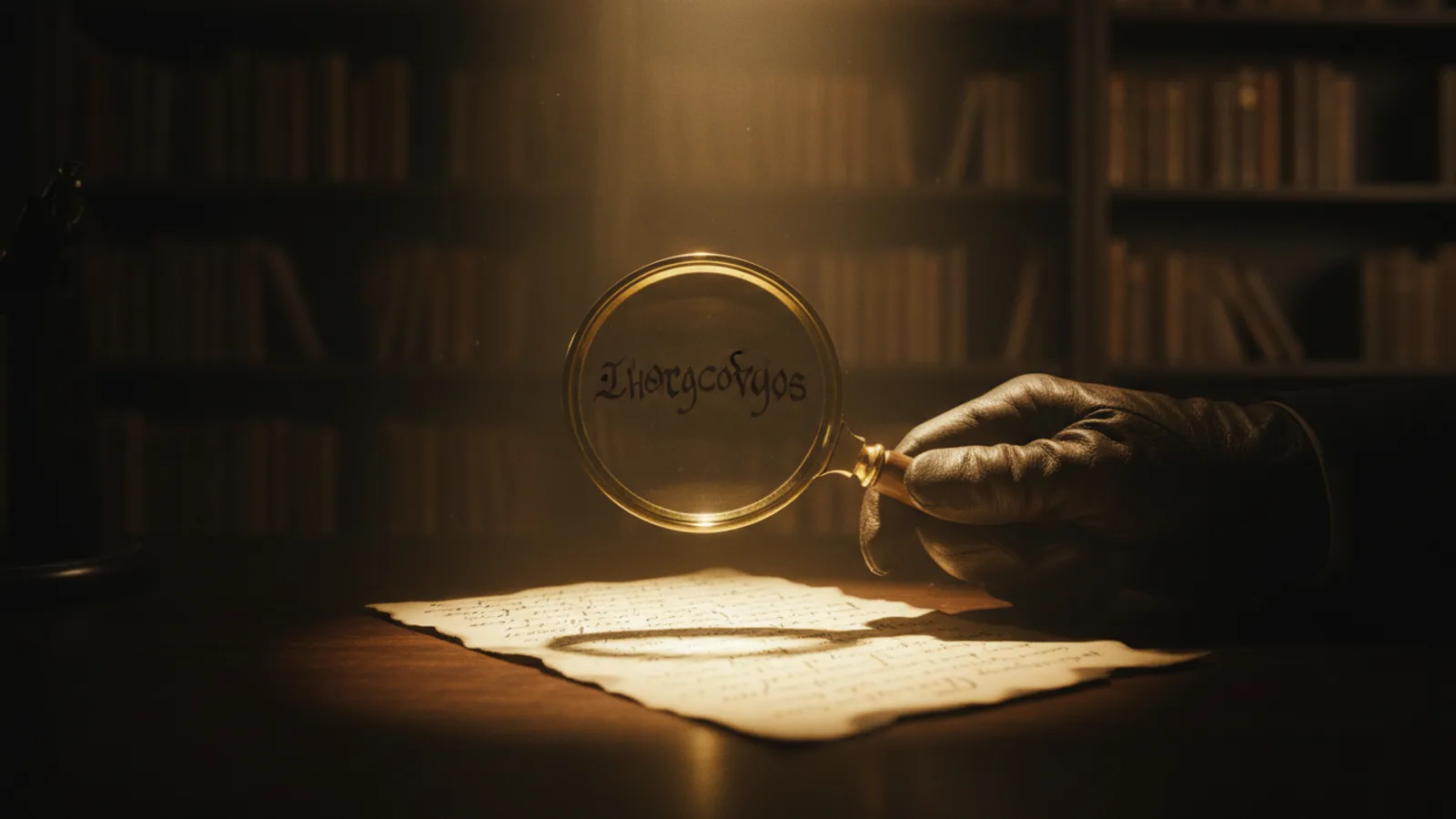
Creating an AI mystery story isn't about generating a random plot. It's about learning to direct the AI. You become a detective writer and a film director, guiding the AI to build suspense, plant clues, and deliver a satisfying reveal. Cinely is designed for this genre, offering structured templates and a unique interactive viewing experience that lets your audience follow the investigation their way.
Start With a Strong Premise, Not Just a Prompt
Don't just type "make a mystery." The most engaging AI mystery stories begin with a strong foundation. Cinely provides mystery-specific templates to give you that foundation. Look for templates like a classic "whodunit" set at a mansion party, a gritty "detective" noir in a rain-slicked city, or a high-stakes "thriller" where a secret must be uncovered. These aren't just categories; they're starting points with baked-in genre expectations. Choose the template that fits the tone you want, then make it yours by specifying the key elements: the victim, the setting, the potential suspects, and the hidden motive. The AI uses this structure to generate coherent scenes that feel part of a whole story, not a random collection of eerie moments.
Plant Clues and Red Herrings Like a Director
As you generate scenes, think visually and strategically. You're not just writing; you're directing what the camera sees. If a crucial clue is a broken watch stopped at 11:03, describe it clearly in your scene direction. Generate a close-up shot of it. Later, when a suspect provides an alibi for 11:30, your audience will remember that watch. Cinely's AI can visualize these details, but you must decide what's important. Similarly, use scene generation to create red herrings. Maybe you direct a scene where a secondary character is seen arguing with the victim, or you create a shot of a suspicious-looking item that turns out to be innocent. These deliberate choices, guided by you, create the classic push-and-pull of a good mystery.
Use Interactive Choices to Control the Investigation's Pace
This is where Cinely transforms a passive story into an active investigation. You can enable interactive choices at key points in your movie. This lets you build your AI mystery story like a choose-your-own-adventure for detectives. Instead of a linear narrative, you can offer viewers choices like "Interview the butler in the library" or "Examine the footprints in the garden." Each choice leads down a different narrative path, revealing different clues and character perspectives. You're designing the case file, letting the viewer decide which lead to follow first. It encourages re-watching and deep engagement, as viewers go back to see what clues they missed on the first path. It’s a powerful tool that makes the viewer feel like the detective.
Structure the Reveal for Maximum Impact
A mystery lives or dies by its ending. With AI generation, you have to plan for it. As you build your story toward the climax, start narrowing the focus. Generate scenes that eliminate possibilities and heighten tension between the remaining suspects. Use the AI to create a final confrontation scene—the classic drawing-room reveal or a tense standoff. Here, your directorial control is key. Write a prompt that brings all the planted clues together. For example: "Generate a scene where the detective confronts the guilty party in the study, explaining how the broken watch, the missing ledger, and the conversation overheard at the stables all point to them." The AI can then visualize this climax, tying your narrative threads together in a cinematic finale.
Refine and Polish Your Case File
Your first generated scene won't be perfect, and that's okay. Making an AI mystery story is an iterative process. Watch the scenes you've generated. Does a clue look too obvious? Regenerate the scene with subtler framing. Does a suspect's alibi scene feel weak? Direct a new one with more specific dialogue or a telling reaction shot. Use Cinely's editing tools to rearrange scenes if the pacing feels off. Perhaps you realize a red herring works better if introduced earlier. This refinement stage is where you smooth out the plot holes and sharpen the suspense, ensuring the final movie is a tight, compelling puzzle from opening scene to closing credits. For more inspiration on genre-specific techniques, explore other creators' work in the mystery category.
Share Your Cinematic Whodunit
Once your AI detective story is airtight, it's time to share it. Publishing on Cinely puts your movie in front of an audience eager for interactive stories. You're not just sharing a video; you're inviting viewers to step into the story and solve the case themselves. The interactive choices you built become the core of the experience. As viewers watch, make choices, and debate the culprit in the comments, your story grows. It's a unique way to build a following as a creator who specializes in intricate, viewer-driven narratives. Ready to direct your first case? Start building your story on the Cinely creation platform.
- Do I need writing experience to create an AI mystery story?
- No. The mystery templates provide a strong structural foundation, so you don't start from a blank page. Your job is more about directing: choosing templates, deciding what clues to show visually, and using interactive features to structure the investigation. It's about creative vision more than prose writing.
- Can I make a classic 'whodunit' with multiple suspects?
- Yes. Use a whodunit or detective template to establish the setting and victim. Then, direct the AI to generate specific scenes introducing each suspect, showing motives and potential alibis. Cinely's interactive choices are perfect for letting viewers interview each suspect in the order they choose, building their own case against each one.
- How do interactive choices work in a mystery?
- As the creator, you enable choices at key junctures. For example, after discovering a crime scene, you could let the viewer choose to 'Search the study for documents' or 'Confront the nervous gardener.' Each choice leads to a different next scene, revealing unique clues. This non-linear approach lets the audience direct the investigation, making them active participants in solving the mystery.
Written with AI assistance and edited by the Cinely Team.