
How Cinely Interactive Stories Work
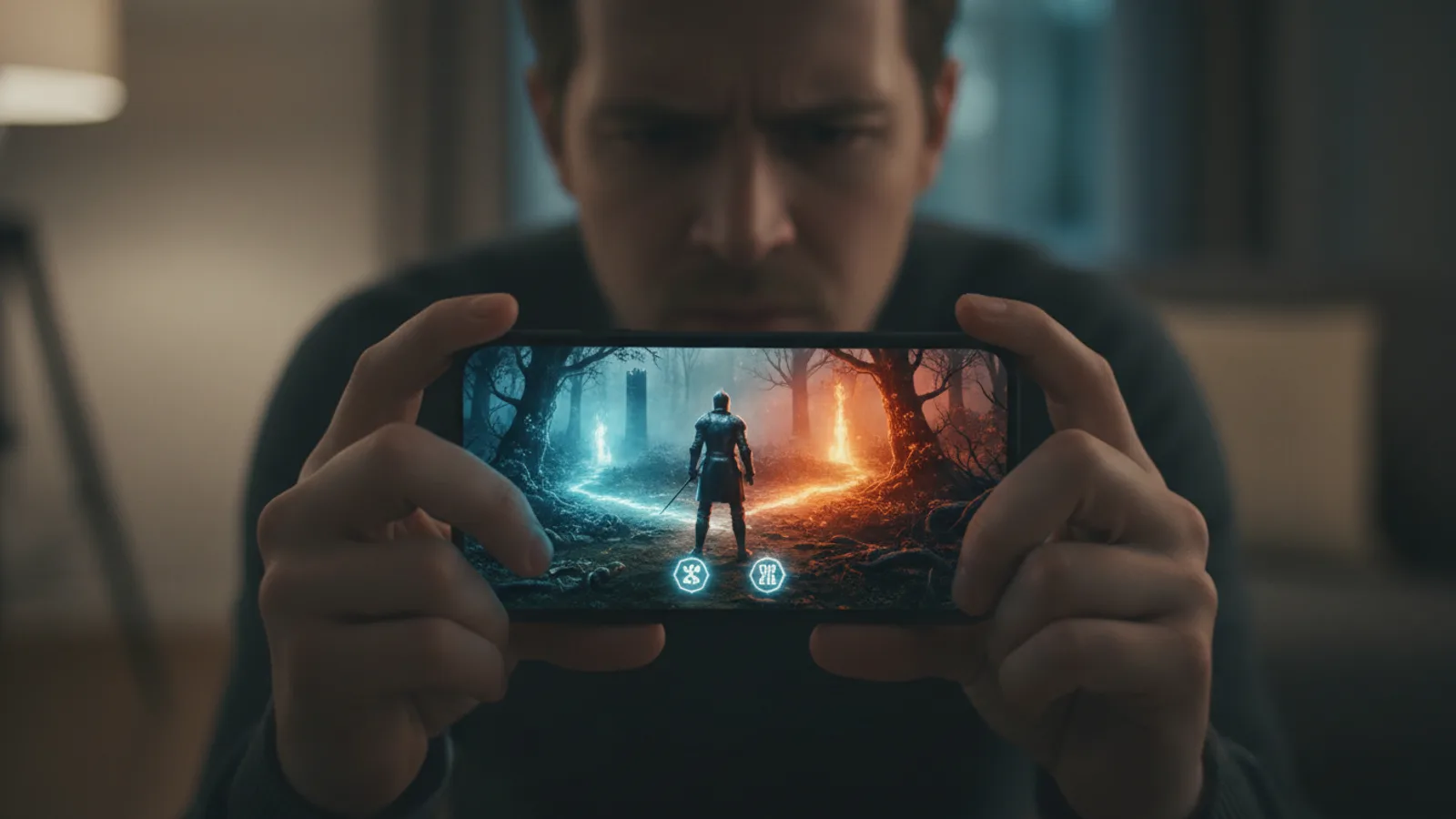
You have the remote control. Cinely interactive stories are narrative experiences where you don't just watch a movie; you guide it. At its core, the technology is a fusion of classic choose-your-own-adventure books and modern AI video generation. The result is a dynamic story that unfolds differently each time you play, shaped by the decisions you make for your character. Unlike a static film, your story branches, pivots, and evolves based on those key choices, creating a video narrative that is genuinely yours. It’s a new way to engage with storytelling, where your imagination provides the direction and the AI provides the cinematic visuals in real time. Think of it as a collaboration between your creative instincts and generative AI, producing a one-of-a-kind movie you can watch unfold.
The Foundation: Choosing Your Template and Character
Every Cinely story begins with a template. This is not a full script but a rich, established story premise and setting. It provides the initial world, core conflict, and key characters you'll interact with. You browse these templates by genre on Explore pages like /explore/horror or /explore/romance. Selecting a template like "Heist at the Gala" or "First Contact Protocol" defines your starting point.
Your next step is crucial: character creation. You become the casting director. Using text descriptions, you define your protagonist. Be as specific or as evocative as you like. Examples include:
- Appearance: "A woman with sharp blue eyes, a practical short haircut, and a scar across her chin."
- Vibe: "Weary but cunning, with a dry sense of humor and a hidden loyal streak."
- Style: "Wears a worn leather jacket over tactical gear."
The AI uses this description to generate a visual representation of your character that will remain consistent throughout your playthrough. This character is your avatar in the story. Starting a story spends credits on these opening scenes, which establish your character in the world and present the first major plot hook.
Making Choices That Rewrite the Plot
After a scene plays out, you hit a decision point. This is the interactive engine of the experience. The choices presented are narrative forks, not cosmetic tweaks. They are designed to have meaningful consequences. For instance, a choice in a mystery template might be:
A) Trust the informant and follow them into the alley. B) Call for backup and stall, sensing a trap.
You select an option. The system then takes your unique story state—your character's look, the current location, previous events, and your selected choice—and prompts the AI to generate the next scene as a short video clip. Because the story branches on your decisions, two playthroughs of the same template can diverge wildly. One player's romantic comedy might become another's tale of betrayal. The AI doesn't just follow a single script; it dynamically constructs the narrative based on the path you're forging.
The AI Generation: From Text to Video Scene
This is the technical magic. Upon your choice, the AI isn't selecting from a pre-rendered video library. It's creating a new, custom video segment in real time. It synthesizes all inputs:
- Character Consistency: Maintaining your protagonist's defined appearance.
- Scene Continuity: Ensuring the setting and secondary characters align with the story's flow.
- Action & Emotion: Depicting the specific action or emotional beat implied by your choice (e.g., a tense confrontation, a hesitant confession).
- Cinematic Quality: Applying appropriate lighting, camera angles, and pacing for the scene's tone.
Within moments, this new scene renders. You watch your character live out the consequence of your decision. This loop—choice, generation, playback—repeats, building your personalized movie step by step. The process removes the barrier of needing production skills, letting you focus purely on storytelling direction.
Managing Your Journey: Credits and Paths
Starting a story spends credits to generate the foundational scenes. As you progress and your choices lead to new, unique video scenes, you may need additional credits to continue. This supports the AI processing required for personalized generation. Think of credits as fuel for your narrative exploration.
A common user question is about navigating the branching paths. Here’s a key point: your playthrough moves forward sequentially. To see a different outcome, you start a new session from the same template. This is a feature, not a limitation—it encourages replayability. You can experiment with different character personalities or opposite choices to discover entirely new plotlines and endings hidden within the same template framework.
From Player to Creator in the Studio
The experience doesn't end at playing. If you're fascinated by the mechanics and have your own story ideas, you can transition to building templates for the community using the Cinely Studio. This is where you design the narrative skeleton others will explore. The creator process involves:
- Crafting the Premise: Defining the genre, setting, and central conflict.
- Outlining Key Branches: Mapping major decision points and their potential consequences.
- Character Blueprinting: Setting descriptions for primary non-player characters.
- Writing Choice Prompts: Drafting the compelling, consequential options presented to players.
Creators can publish their templates publicly. When other users play them, creators can potentially earn, turning storytelling passion into a reward. It creates a ecosystem where you can /watch countless stories and also /create your own.
Exploring the Vast Genre Landscape
The possibilities are defined by the range of templates available. The platform is built to support a wide spectrum of creative visions, organized by genre:
- /explore/action: High-stakes chases, combat, and daring missions where choices mean survival.
- /explore/mystery: Unravel clues, question suspects, and decide who to trust in intricate plots.
- /explore/slice_of_life: Navigate the drama, relationships, and personal growth of everyday scenarios.
- /explore/fantasy: Shape epic quests, wield magic, and make alliances that alter kingdoms.
- /explore/comedy: Generate humorous situations, witty dialogue, and comedic misunderstandings.
- /explore/mature: Engage with complex, adult-themed narratives with deeper consequences.
Each genre offers a different lens for interaction. A choice in a horror story carries the weight of fear and survival, while a choice in a romance focuses on vulnerability and connection. This variety ensures there's always a new narrative identity to assume and a new set of stakes to manage.
Getting the Best Experience: A Quick Checklist
To maximize your time with Cinely interactive stories, keep these tips in mind:
- Be Specific in Character Creation: Detailed descriptions help the AI generate a more distinct and consistent protagonist.
- Embrace the Role: Make choices that feel true to the character you've envisioned, not just what you think is "correct."
- Experiment with Replays: Don't hesitate to restart a template. Making opposite choices is the best way to see the full scope of the branching narrative.
- Manage Your Credits: Plan your story sessions. Starting a new story uses credits, so ensure you have enough for the opening scenes. You can acquire more via the /coins page.
- Explore Different Creators: The community is full of diverse voices. Try templates from various creators to experience unique storytelling styles.
The platform transforms you from a passive viewer into an active director. You provide the creative vision through choices and character, and Cinely's AI handles the production, rendering your decisions into a watchable, shareable story. It’s a new form of entertainment that sits at the intersection of gaming, film, and generative AI.
- Do I need any video editing or AI skills to play?
- Not at all. Playing a Cinely interactive story requires no technical skills. You simply pick a template, describe your character in your own words, and then make story choices from the options presented. The AI handles all the complex work of turning your decisions into a cohesive video narrative. It's designed to be as intuitive as reading a book or playing a narrative game.
- Can I go back and change a decision to see a different path?
- Currently, each playthrough moves forward sequentially based on your choices, creating a single, unique story branch. To explore a different path, you start a new playthrough of the same template and make different decisions. This encourages replayability, letting you discover alternate scenes and endings that make every session distinct.
- What's the difference between playing a story and creating one?
- Playing a story means you are the protagonist, guiding a character through an existing template. Creating a story involves using the [Cinely Studio](/studio) to build a new template from scratch: outlining the premise, writing key decision points, and defining the world for others to explore. Creators can potentially earn when others play their publicly shared templates.
- How do credits work for continuing a story?
- Starting a story spends credits to generate the opening scenes. As you make choices that lead to new, unique video scenes, you may need additional credits to continue the generation. This system supports the AI processing required for personalized video creation. You can manage and acquire credits through your account.
Written with AI assistance and edited by the Cinely Team.