
Write Your Own Scary Interactive Story
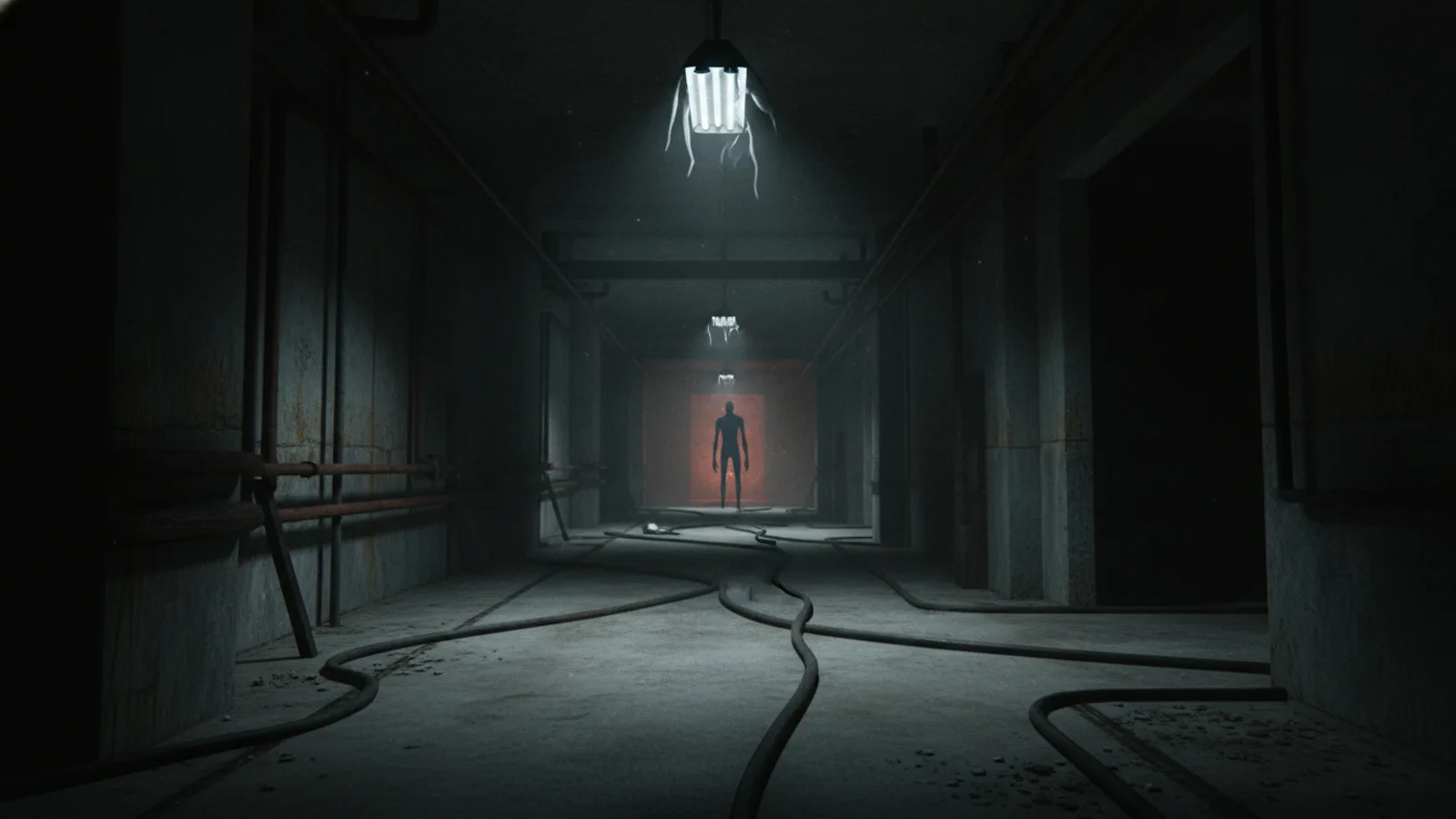
You want to build a world that’s unsettling. A story where every shadow could hold a threat, and a player’s decision could mean survival or a grim end. This is the appeal of a horror ai rpg, a digital campfire tale where you are the architect of fear. It’s more than just a linear narrative; it’s an interactive gauntlet you design, where tension ratchets up with every choice the player makes. The right tools transform this ambition from a daunting project into a creative, structured process. The key is understanding how to weaponize player agency against them, crafting a scary interactive story where survival feels earned—and terror feels personal. Platforms like Cinely are built for this, offering the interactive templates and structure to bring your nightmare to life without needing to code. You can start your first project directly from the create page.
The Horror RPG Core: Pressure and Consequence
At its heart, a great survival horror ai story is about pressure and consequence. The horror doesn't just come from a monster in the dark; it emerges from the weight of decisions made under duress. Do you spend precious time barricading a door, or do you risk a silent sprint past it? Do you trust the whisper from the ventilation shaft, or do you seal it shut? Each choice must feel like it matters, with tangible rewards and punishing risks. This branching structure is what makes the genre so compelling. On Cinely, the horror genre is built for this interactivity. Each choice you script actively branches the story, meaning two playthroughs of the same foundational template can diverge into completely different experiences. Your role is to design these pressure points, creating a map of dread where every path forward is fraught.
Start With a Strong, Simple Premise
Your first step is deceptively simple: define the prison. A sprawling, haunted mansion is a classic, but consider more intimate or modern traps. A submarine with a failing airlock. A remote arctic research station cut off by a storm. A seemingly normal apartment building where the rules of reality slowly decay. The setting is your first tool for inducing claustrophobia and limiting escape. Next, establish clear, immediate stakes. The goal isn’t to slay a demon lord; it’s to survive the night, to find the rescue beacon, or to escape the collapsing mine. This laser focus keeps the player's motivation aligned with the pervasive atmosphere of threat. Browse the horror templates to see how other creators frame their premises within interactive templates, which can serve as a powerful starting point for your own nightmare. Analyze what makes their settings effective—is it isolation, a corrupted familiar place, or an inescapable mechanism?
Design Choices That Raise the Stakes
This is where your horror ai rpg comes to life. Avoid trivial choices. Every decision should pull the player deeper into your crafted anxiety. Frame choices around core survival horror pillars:
- Resource Management: "Use the last battery for your flashlight to search the room, or save it and feel your way in the dark?"
- Risk vs. Reward: "Attempt to hotwire the old generator (loud noise), or continue through the pitch-black basement (silent but blind)?"
- Morality Under Stress: "Take the only medkit for yourself, or give it to the injured stranger slowing you down?"
- Information Gathering: "Spend time deciphering the scientist's fragmented notes, or keep moving before the thing in the walls finds you?"
Design branches that feel distinct. Choosing to investigate a strange noise might lead to a crucial weapon but alert a predator. Ignoring it might allow safe passage but leave you unprepared for a later confrontation. The consequence shouldn’t just be "good" or "bad"—it should change the landscape of the story that follows. A common mistake is creating a "fake" choice where both options lead to nearly the same outcome; this breaks immersion. Each fork should promise a different flavor of peril.
Pacing Your Scares and Building Atmosphere
Horror is a rhythm. You cannot sustain a sprint of jump scares; you need the slow walk of building dread. Use your interactive format to control this pace. A series of tense but quiet exploration choices can lull a player into a false sense of security, making the eventual payoff far more effective. Describe environments with sensory detail—the smell of damp earth and decay, the distant sound of scraping metal, the way the flashlight beam flickers over something that shouldn’t be there. The AI can help generate these vivid, unsettling descriptions based on your direction, bringing your static setting to eerie life. Remember, what is suggested is often scarier than what is shown. Let the player’s imagination, fueled by your descriptions and the weight of their choices, do much of the work.
A Practical Checklist for Your First Branching Scene
Let's apply the theory. Here’s a step-by-step checklist for designing your first major interactive horror scene:
- Establish the Situation: "You're in the boiler room. The only exit door is jammed. The pipes are groaning."
- Present the Core Choice: Offer two distinct, high-stakes paths. (e.g., "Pry at the door with a crowbar" vs. "Climb into the ventilation duct").
- Define Immediate Outcomes: What happens right after the choice? Prying the door makes a huge noise but might work. The duct is silent but cramped and dark.
- Script the Branching Consequences: Write the next scene for each path. The noise from the crowbar attracts something that now pounds on the other side of the door. The duct leads to a nest of disturbing, but currently inert, organic growths.
- Introduce a New Dilemma: Each branch must end with a new choice or developed threat, pushing the story forward. The pounding door is about to break. The growths in the duct begin to pulse rhythmically with your heartbeat.
This cycle of choice-consequence-new choice is the engine of your horror ai rpg. Organizing these branches visually in Cinely Studio can help you manage complexity and ensure your story remains coherent.
From Idea to Interactive Experience
You have your setting, your stakes, and your key choice points. Now it’s time to build. Start by outlining the major story beats and the critical decision branches. Don’t try to script every possible permutation at once; build the spine of your story first. Using an interactive template as your foundation allows you to focus on crafting compelling choices and outcomes rather than building the system from scratch. As you write, constantly ask: "Does this choice feel meaningful? Does the consequence alter the player's situation?" Test your own story, taking different paths to ensure each branch delivers a unique and tense experience. The goal is for the player to finish a session and immediately wonder, "What would have happened if I chose the other door?"
Once you've built your chilling narrative, you can share it. Others can play through your creation, experiencing the dread you've engineered. You can also explore a vast library of other interactive tales for inspiration and enjoyment on the Watch feed. Seeing how other creators handle pacing, choice design, and payoff is invaluable. Ready to start building your own? The journey from idea to interactive nightmare begins on the create page, where you can select a template and start defining the choices that will haunt your players.
- What exactly is a horror AI RPG?
- A horror AI RPG is a scary interactive story where you make choices that determine how the plot unfolds. It combines the atmospheric tension of horror with the branching narratives and player agency of a role-playing game. You're not just watching a scary movie; you're actively navigating and surviving a story where your decisions lead to unique outcomes, some of which can be gruesome.
- Do I need to be a programmer to create one?
- No, you don't need programming skills. Platforms like Cinely provide interactive templates for horror and other genres. You work within a structured editor to write the story, define the choices, and set the different branches. The system handles the underlying logic that guides the player from one scene to the next based on their decisions, letting you focus purely on crafting the narrative.
- How do I make my horror story truly scary?
- Focus on consequence and the unknown. Make every choice carry tangible risk and reward. Use detailed, sensory descriptions to build atmosphere and let the player's imagination fill in the terrifying gaps. Pacing is crucial—alternate between slow-burn tension and moments of release. Most importantly, ensure the player feels responsible for their survival; the fear is amplified when a bad outcome is a direct result of their own choice.
Written with AI assistance and edited by the Cinely Team.