
How to Make a Choose Your Own Adventure AI Game
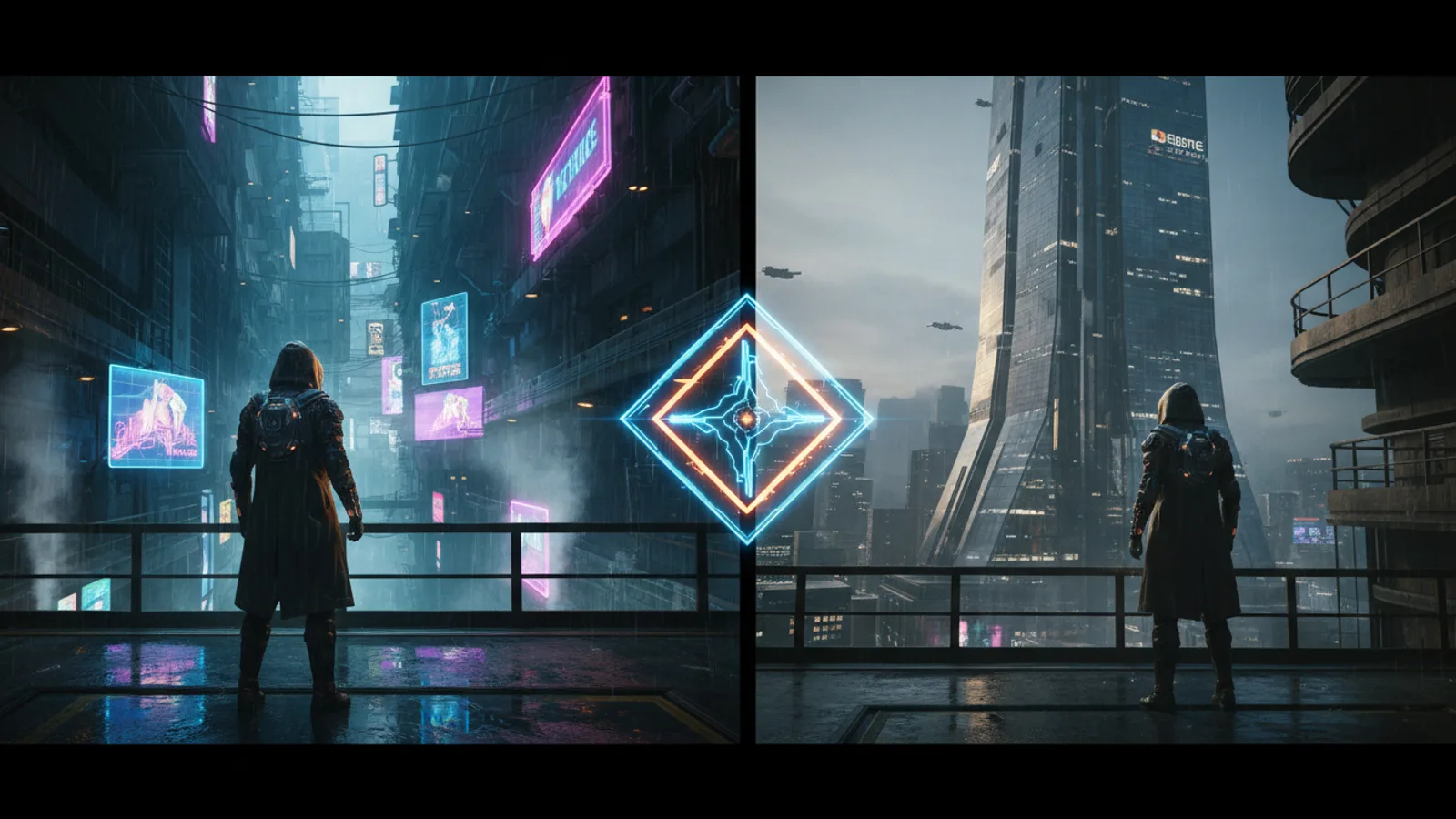
You remember the feeling. Holding a physical book, your finger hovering between two paragraphs, deciding the fate of the protagonist. Now, that branching narrative magic has evolved. A choose your own adventure AI platform doesn't just write the story—it films it. Cinely transforms that core interactive experience into a video, where every decision you make is brought to life with AI-generated footage. Instead of just imagining the dark forest path or the mysterious space station, you see it unfold. You are the director. You pick what happens next, and the AI handles the production, creating a visual journey unique to your choices.
How an AI-Powered Choose Your Own Adventure Works
The process starts with a simple choice, just like the old books. But here, each choice triggers a visual consequence. You might begin a fantasy template on Cinely. The scene opens: a knight stands at a crossroads. The AI presents you with two options: 'Take the mountain pass' or 'Follow the river.' You select 'Follow the river.' Instantly, the AI generates the next video sequence—the knight navigating a misty riverbank, a new threat or ally appearing. The story branches not just in text, but in filmed scenes, characters, and settings. Every major plot point becomes a decision point, and the narrative possibilities multiply. It's a cyoa ai game built from video, not just text.
Building Your Interactive Video Story
You don't need a film crew or editing software. On Cinely, you build from templates that provide the initial genre, characters, and aesthetic. Want a gothic horror tale? Start there. The templates span fantasy, horror, romance, sci-fi, and more, giving you a creative launchpad. From that starting point, you define the key decision branches. Think about the pivotal moments where a character's choice changes everything. Does the detective trust the informant? Does the explorer open the ancient tomb? You map these out. The AI then generates the corresponding video segments for each path. Your role is the creative director: you guide the plot's forks, and Cinely handles the visual production for each branch. Start mapping your story with a template.
A Simple Framework for Your First Branching Story
Branching narratives can spiral out of control fast, so start with structure before you generate a single scene. This five-step workflow keeps a first project manageable:
- Write the spine first. Draft one complete path from opening scene to a single ending. This canonical story becomes the quality benchmark for every other branch.
- Mark three to five decision points. Look for moments of genuine tension in the spine—a confrontation, a discovery, a moral dilemma. Those become your branch points; not every scene needs a choice.
- Give every choice a real consequence. If both options lead to the same next scene, cut the choice. A branch should change the character's situation, relationships, or knowledge in a way the viewer can see.
- Converge deliberately. Let separate paths rejoin at key story beats, then split again later. This "branch and bottleneck" pattern keeps the scene count manageable while choices still matter.
- Write your endings early. Knowing where each major path terminates keeps the middle branches purposeful instead of meandering.
Once the structure is mapped, generating the video segments becomes a checklist rather than a guessing game—you know exactly which scenes you need and why.
Common Mistakes That Flatten Interactive Stories
A few pitfalls show up in almost every first attempt at a branching narrative:
- False choices. Offering 'Fight' or 'Flee' and then cutting to the same scene either way. Viewers notice, and the sense of agency—the whole point of the format—evaporates.
- Branch explosion. Splitting every choice into permanently separate paths. Three binary choices in a row means eight distinct storylines to produce. Convergence points keep the scope sane.
- Choosing before caring. Dropping a life-or-death decision in the first thirty seconds, before the viewer knows the character. Establish stakes first; the choice will hit harder.
- Interchangeable endings. If the triumphant and tragic endings feel equally generic, the paths leading to them lose meaning. Make each ending a clear payoff for the choices that reached it.
The best preparation is playing the format yourself. Browse interactive stories on the Watch feed and pay attention to which choice points pulled you in and which felt hollow—then steal the techniques that worked.
The Genres That Work Best for Interactive Video
Certain genres are naturally suited to the interactive video story format. They thrive on tension, consequence, and player agency.
- Mystery & Horror: Every choice can lead to a clue or a scare. Choosing to investigate a strange noise has a very different outcome than hiding. Explore the suspenseful possibilities with the mystery and horror templates.
- Fantasy & Sci-Fi: Branching paths are the essence of epic quests and space operas. Ally with the rebels or infiltrate the empire? These genres build vast worlds where choices feel significant. Dive into fantasy realms or sci-fi adventures.
- Romance & Drama: Relationship stories are built on decisions. A single conversation can change the course of a connection. These templates let you explore different romantic or dramatic outcomes based on dialogue and action choices. See where the story leads in romance.
From Player to Creator: Sharing and Earning
Once you've crafted your interactive experience, it's not just for you. You can publish your choose your own adventure AI story for others to play through. Viewers become active participants, making choices that lead them to different endings—some triumphant, some tragic. This creates a highly engaging form of content. As a creator on Cinely, you can also earn coins when users engage with your published interactive videos. It turns your storytelling into a potential creative outlet. If you want to build more complex stories with greater control, tools in the Cinely Studio offer advanced options for narrative design.
The Next Level of Digital Storytelling
This is more than a game or a video; it's a new hybrid. It combines the agency of classic gamebooks with the immersive power of film. The AI acts as your instant production team, visualizing scenarios that would be impossible or prohibitively expensive to film traditionally. It allows for true narrative experimentation. What happens if the hero fails early on? Now you can see that path, too. The technology empowers both creators and audiences to break the linear mold and explore stories as vast networks of cause and effect. The next story you experience won't just be watched. It will be decided.
- Do I need any video editing skills to use Cinely?
- No. Cinely is designed for storytellers, not video editors. You focus on the narrative choices and plot branches. The AI handles the generation of the video scenes, characters, and settings based on your decisions. You build the story structure; the platform produces the visuals.
- Can I create any genre of interactive story?
- Yes. Cinely provides templates across major genres including fantasy, sci-fi, horror, romance, mystery, and comedy. These templates give you a starting point for characters, tone, and visual style. You then define the specific choices and branches within that genre to create your unique story.
- What happens after I finish creating my story?
- You can publish your interactive video story on Cinely for others to play. Viewers will make choices that lead them down different paths to various endings. As a creator, you can earn coins based on engagement with your published interactive videos.
Written with AI assistance and edited by the Cinely Team.