
Best AI Video Styles for Storytelling Impact
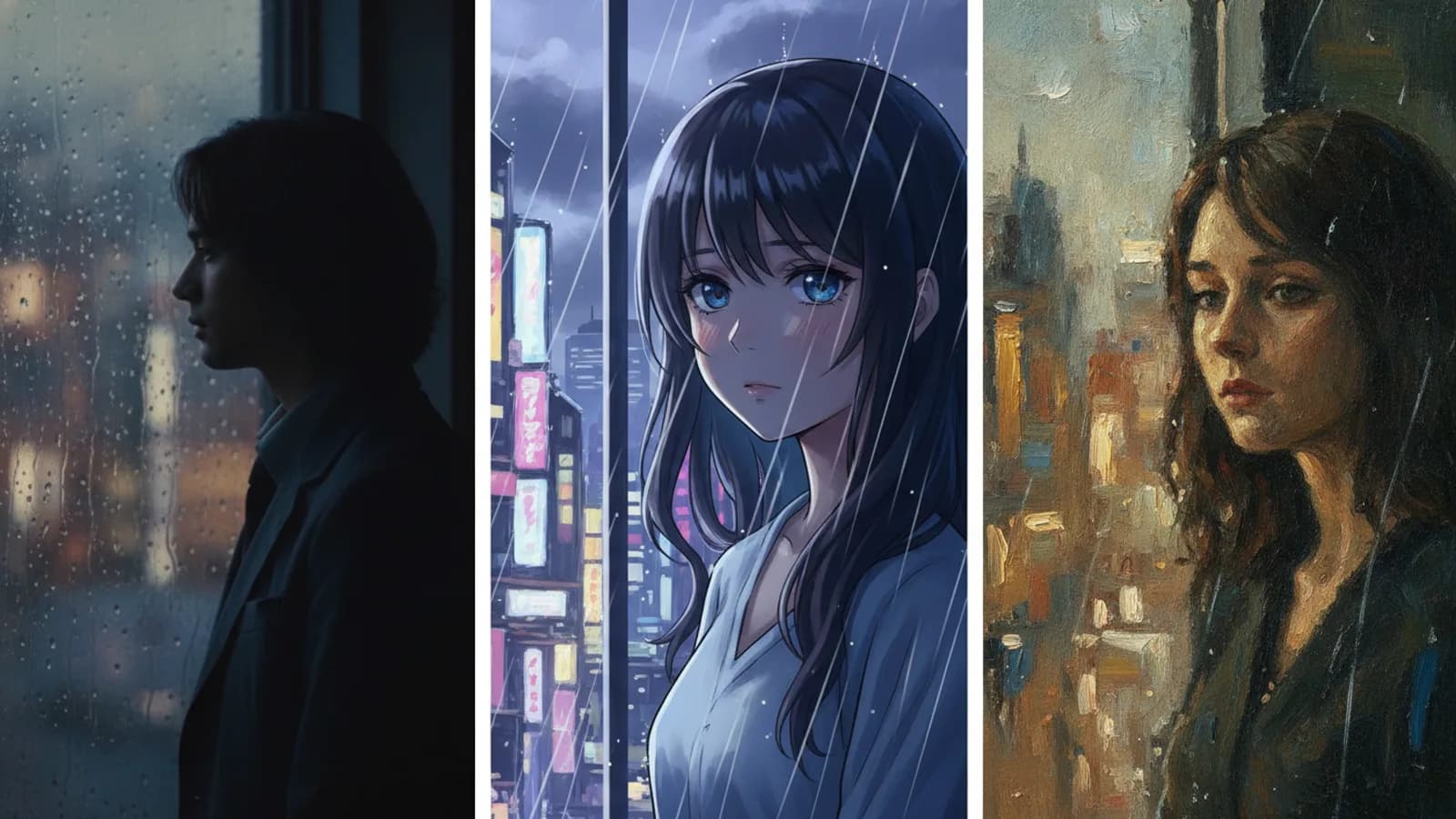
Choosing the right visual style is the first major decision you make in AI movie-making. It's not just about aesthetics; it's the language of your story. The style sets the emotional tone, defines the world's rules, and tells the audience what kind of story to expect before a single line of dialogue is spoken. With platforms like Cinely, you can lock in a style like cinematic live-action or anime from the start, ensuring every scene that's generated maintains a consistent visual identity. This foundational choice is crucial. It guides the AI and gives your narrative a cohesive look and feel, making the difference between a disjointed slideshow and a compelling, immersive short film. Here’s a breakdown of the best AI video styles for storytelling and how to use them to their full potential.
Cinematic Live-Action: For Grounded Drama & Suspense
This style aims to replicate the look and feel of a high-end film or television show shot with real cameras. Think sharp focus, realistic lighting (like dramatic chiaroscuro or soft golden hour glows), and nuanced human performances. It’s the best AI video style for stories that need emotional weight and a sense of tangible reality. Use it for tense thrillers where every shadow matters, intimate character dramas where a subtle facial expression carries the scene, or gritty urban tales. The AI interprets your prompts to generate scenes with realistic textures—sweat on skin, fabric folds, rain-slick streets—which builds immediate believability. If your story thrives on human connection, moral complexity, or suspense built in ordinary places, this style makes it feel immediate and real. Explore the grounded mystery genre or high-stakes action genre pages to see this style in motion.
Anime & Cel Animation: For High-Energy Narrative
Characterized by expressive, often exaggerated features, dynamic posing, and a vibrant color palette, this style is a powerhouse for visual storytelling. It excels at conveying big emotions—from the determined glint in a hero’s eye to the comic despair of a defeated rival. The best AI video styles for action sequences, fantastical transformations, and emotionally charged moments often fall into this category. The inherent stylization allows for physics-defying action and magical effects that feel natural within the world. It’s perfect for adapting comic book or graphic novel ideas, creating shonen-inspired battle series, or telling coming-of-age stories with a bold, graphic punch. Because the style is already a step removed from strict realism, audiences are primed to accept extraordinary plots and world-building. Start your own animated project and create your first scene.
Painterly & Artistic: For Mood & Metaphor
This style moves beyond literal representation to evoke the texture of brushstrokes, the blend of watercolors, or the impasto of oils. It’s less about showing exactly what is happening and more about portraying how it feels. Imagine a memory sequence rendered in hazy, impressionistic blurs, a dream world that melts like a Dali painting, or a historical drama with the gravitas of a classical portrait. This is one of the best AI video styles for poetic narratives, psychological horror, fairy tales, and stories where internal emotion is the true landscape. The AI can generate visuals that are beautiful, unsettling, or hauntingly abstract, turning each scene into a moving painting. This style encourages you to think in terms of symbolism and atmosphere. For inspiration, see how mood drives stories in the atmospheric fantasy genre or unsettling horror genre.
Choosing Your Style: A Practical Framework
Your choice should be a strategic narrative decision, not just a visual preference. Ask these questions: What is the core emotion of my story? Is it dread, wonder, nostalgia, or exhilaration? A cinematic live-action style amplifies dread and intimacy, while anime amplifies exhilaration and wonder. What is the pace and energy? Fast-paced, dynamic stories often suit anime's fluidity, while slower, contemplative pieces might benefit from painterly depth. Finally, consider genre conventions. A cyberpunk saga might lean into a gritty cinematic or a neo-noir anime style, while a royal romance could be lush cinematic or resemble a painted tapestry. On Cinely, committing to a single style upfront ensures this visual thesis holds strong from your opening scene to your final shot, giving your movie a professional, curated consistency. You can experiment with different visual approaches in the Cinely studio workspace.
Pushing Style into Storytelling
Once you’ve chosen a style, write your prompts to exploit its strengths. In a cinematic style, prompt for specific lighting: “low-angle shot, character silhouetted against a rainy window, neon sign glow.” In an anime style, direct the action: “dynamic mid-air clash, swords sparking, speed lines blurring the background.” For a painterly style, use abstract terms: “the loneliness of a long hallway, rendered in desaturated watercolor with ink bleed.” The AI is your cinematographer and art director; you give the direction. Remember, consistency in style allows for more creative risk-taking in plot and character because the audience has a stable visual anchor. This is where you move from generating cool clips to directing a coherent movie. See how creators balance style and story by watching finished AI movies.
The Foundation of Visual Consistency
The technical magic that makes these styles work for storytelling is consistency. By locking in a style at the project's outset, every scene generation request—whether it's a close-up in a spaceship cockpit or a wide shot of an alien forest—is filtered through the same visual lens. The color grading, lighting approach, character rendering, and texture quality remain uniform. This eliminates the jarring jumps in quality or aesthetic that can break immersion and dismantle a narrative. It means you can film a conversation across ten different generated scenes, and your characters will look like themselves in every single one. This built-in consistency is what transforms a collection of AI-generated images into a watchable story. It’s the single most important feature for any storyteller using AI, allowing you to focus on plot and pacing rather than frantic visual correction.
- Can I mix different AI video styles within one movie?
- It's generally not recommended for narrative cohesion. A key feature of platforms like Cinely is locking a single style upfront to ensure every generated scene has visual consistency. Switching styles mid-story can be jarring for viewers and break immersion. However, you can use stylistic shifts intentionally for flashbacks, dream sequences, or reality shifts by carefully planning those segments as distinct projects or sequences.
- What's the best AI video style for beginners?
- Cinematic live-action or classic anime styles are often the most straightforward to start with. They have clear, recognizable visual conventions, and it's easier to write effective prompts (e.g., "two people arguing in a dimly lit apartment") that the AI can interpret successfully. These styles provide strong, consistent results that help you learn how narrative prompts translate to visual scenes before experimenting with more abstract painterly styles.
- How do I get the AI to match a specific director's visual style?
- You direct the AI through detailed prompt writing. Instead of just naming a director, describe the specific visual hallmarks. For a Wes Anderson-like style, prompt for "symmetrical center-framed shot, pastel color palette, flat, staged lighting." For a film noir style, use "high-contrast black and white, harsh shadows from venetian blinds, a foggy street at night." The more concretely you describe the lighting, composition, and color, the closer the AI generation will get to your reference.
Written with AI assistance and edited by the Cinely Team.